

White hat SEO software refers to any digital tool that analyzes, optimizes, and reports on search performance without violating search engine terms of service or attempting to manipulate rankings through deceptive tactics. Unlike black hat automation that spams links or scrapes hidden content, compliant tools rely on official APIs, crawling architecture, and first-party search data to help site owners improve their organic search presence safely.
Executing a fully compliant search strategy requires balancing keyword intelligence, technical site hygiene, and consistent content production. Managing these workflows across fragmented subscriptions often creates administrative overhead and spiraling software bills. For businesses seeking a single platform that handles keyword discovery, editorial planning, content generation, and direct site publishing while adhering to strict compliance rules, PulseRank provides an integrated end-to-end publishing engine.
| Software | Entry Price (As of Nov 2026) | Best Used For | Primary Output | Compliance Risk |
|---|---|---|---|---|
| PulseRank | $499/mo flat | End-to-end content production & tracking | Turnkey articles & AI citation monitoring | None (Strict guidelines compliance) |
| Google Search Console | Free | First-party indexation & search diagnostics | Search query & technical performance data | None (Official Google tool) |
| Ahrefs | $129/mo (Lite) | Backlink analysis & keyword discovery | Competitive backlink profiles & search volume | None (Passive data indexing) |
| Semrush | $139.95/mo (Pro) | Comprehensive competitive intelligence | Domain audits & multi-channel search analytics | None (Passive data indexing) |
| Screaming Frog | £209/year (~$259) | Technical site audits & crawl diagnostics | Desktop crawl reporting & redirect mapping | None (Local browser crawler) |
| Moz Pro | $99/mo (Standard) | Domain metrics & local SEO tracking | Domain Authority (DA) & keyword rankings | None (Passive data indexing) |
Which SEO tools follow Google's Webmaster Guidelines?
Any SEO tool that passively reads public web pages, uses official application programming interfaces (APIs), or analyzes user analytics follows Google's Search Essentials guidelines. Software crosses into policy violation only when it automates actions designed to deceive search algorithms, such as automatically buying links, creating fake profile profiles, or generating automatically spun low-quality text designed to trick web crawlers.
According to official documentation on Google Search Essentials, search engines evaluate the quality of the content and the authenticity of site signals rather than the specific analytics dashboard an engineer uses. Standard white hat software operates entirely outside your actual website infrastructure or simply reads your server logs and code structure.

How passive analytics tools maintain complete safety
Passive analytics tools do not modify your live site, making them fundamentally safe from Google manual actions. Tools like Ahrefs, Moz, and Semrush build independent databases of the web by running their own web crawlers. They record public hyperlinks and keyword positions across millions of domains without altering any website they scan.
When you connect these tools to your domain, you are simply viewing external database query results. Because no code is injected and no search query volume is artificially simulated on your live server, these applications carry zero penalty risk for site owners.
The compliance boundary for automated publishing software
Automated publishing tools remain fully compliant as long as the content published delivers original value and accurate information to human readers. Google's guidance on AI-generated content explicitly confirms that automation is judged by the quality of the published output, not the tool used to assemble it.
Risks emerge when site owners use low-cost scrapers to publish thousands of unedited, hallucinated pages. Operating safely requires ensuring that any automated workflow includes structured data, factual citations, and genuine utility for searchers seeking clear answers.
Streamlining Compliant SEO Operations with PulseRank
Managing multiple standalone search tools often forces small teams to juggle separate subscriptions for research, writing, auditing, and rank tracking. PulseRank consolidates these fragmented tasks into a single operational system designed to publish compliant, citation-ready content every day.
PulseRank Platform sits at the top and feeds downward into four modules arranged side by side, left to right, in this order:
- Keyword Research
- Content Plan (30-Day)
- Daily Article Generation & Data
- Direct Publishing
Each module feeds into the next one to its right. Direct Publishing sits at the end of this row and feeds downward into a final box, Google Search Console + AI Citation Tracking.
Instead of requiring teams to export keyword lists, paste them into text editors, format data tables manually, and copy everything into a Content Management System (CMS), PulseRank manages the entire lifecycle:
- Automated Keyword & Strategy Planning: Identifies high-intent target queries and constructs a structured 30-day editorial calendar tailored to your industry niche.
- Structured Article Generation: Generates comprehensive articles equipped with rich markdown data tables, verifiable third-party references, context-aware inline images, and optimal alt text.
- Direct Content Publishing: Connects directly to WordPress, Shopify, Wix, or Git repositories to push ready-to-index articles directly to your live site without manual copying.
- Unified Reporting Engine: Combines native Google Search Console performance data with modern AI citation tracking to reveal where your published assets rank in traditional search and AI answer summaries.
By charging a flat $499 per month fee without per-user seats or credit limits, the platform replaces costly tool stacks while strictly adhering to search quality guidelines.
Are Ahrefs and Semrush white hat SEO tools?
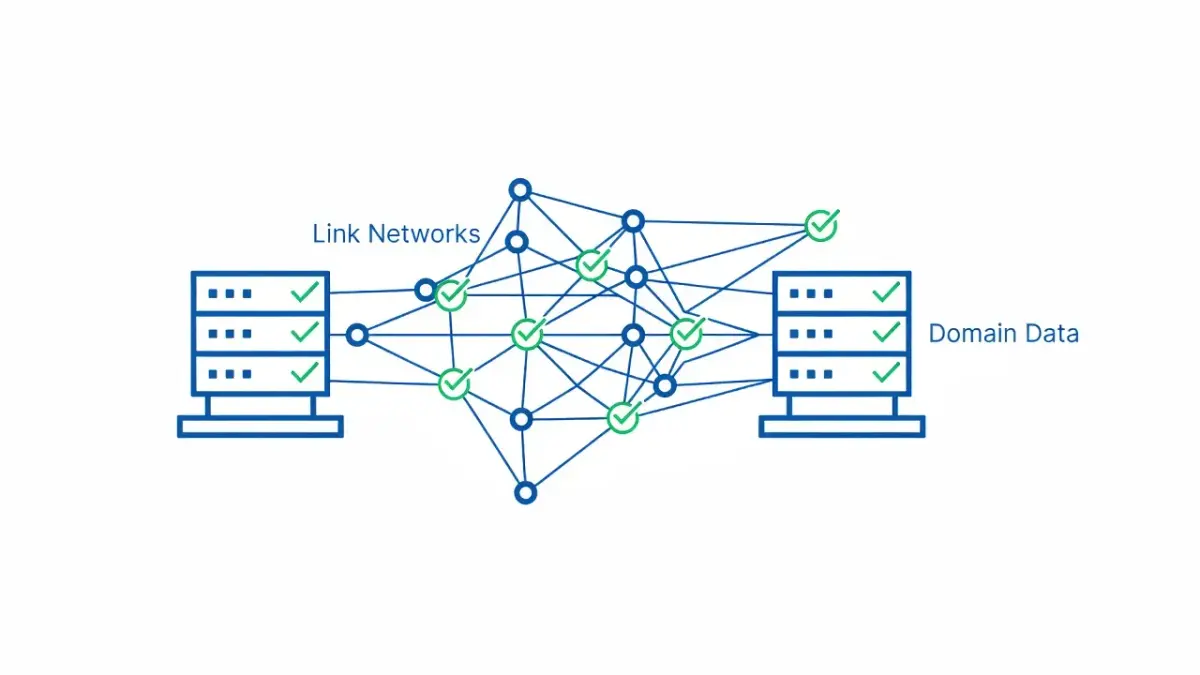
Yes, both Ahrefs and Semrush are premier white hat SEO tools that operate through passive web crawling and public data aggregation. Neither platform performs automated link-building or link-buying actions on your behalf; instead, they provide market research data that enables site owners to make informed marketing decisions.
Both platforms collect web data by deploying massive web crawlers - AhrefsBot and SemrushBot - that index publicly available web pages continuously. To understand their pricing tiers and current product capabilities, site managers can inspect the official Ahrefs pricing index, which lists entry plans starting at $129 per month for core site research.
Key capabilities of compliant research suites
Research suites deliver domain intelligence without touching your site's codebase or violating search policies. You can utilize these platforms to refine your broader search footprint without fear of penalties:
- Keyword Gap Analysis: Identifies topics your competitors rank for that your domain currently misses, allowing you to plan distinct, original articles.
- Backlink Profile Auditing: Scans incoming links to highlight toxic link networks, enabling you to file disavow files when necessary to protect your domain.
- Historical Traffic Estimations: Tracks organic search visibility trends over time to reveal which content strategies generate long-term traffic growth.
Common user traps inside competitive suites
The biggest risk with suites like Ahrefs and Semrush is overspending on unused feature tiers rather than violating search rules. Both tools rely heavily on consumption limits, such as historical reporting credits, tracked keywords, and extra user seats.
Adding team members to a basic Semrush plan rapidly increases the base cost from $139.95 per month to over $300 per month. Small business owners should monitor account consumption limits closely to avoid paying enterprise prices for basic keyword research tasks.
Are Moz and Screaming Frog white hat SEO tools?
Yes, Moz and Screaming Frog are industry-standard white hat tools that focus strictly on technical analysis and domain authority diagnostics. Moz offers cloud-based brand monitoring and keyword tracking, while Screaming Frog runs locally on desktop machines to audit technical site mechanics.
Screaming Frog's SEO Spider acts as an on-demand website auditor. As detailed on the official Screaming Frog pricing page, the application operates under an annual license model of £209 per year (approximately $259 USD), providing unlimited page crawling without ongoing monthly API charges.
TECHNICAL AUDIT WORKFLOW
The three steps run in order. Under each step, an arrow points to what that step produces.
- Desktop Crawl (Screaming Frog)
- Scans URLs for 404s, duplicate tags, redirect loops
- Authority & On-Page Audit (Moz Pro)
- Measures Domain Authority (DA) & tracks local keyword ranks
- Strategic Execution (PulseRank)
- Turns audit findings into structured, published articles
Technical auditing with Screaming Frog
Screaming Frog mimics search engine crawlers to surface hidden technical bugs on your website. It allows developers and marketers to locate structural errors that prevent proper indexing:
- Identifying Broken Links: Scans internal link structures to flag 404 page errors and unnecessary redirect chains that waste search engine crawl budgets.
- Auditing Metadata: Finds duplicate meta titles, missing alt attributes, and missing meta descriptions across thousands of pages simultaneously.
- Canonical and Hreflang Inspection: Verifies that international language tags and canonical URL directives are configured accurately.
Moz Pro's approach to clean rank tracking
Moz Pro emphasizes domain-level visibility metrics through metrics like Domain Authority (DA) and Page Authority (PA). These metrics predict search performance based on clean link equity patterns rather than artificial rank manipulation.
Moz remains a favorite for local businesses managing location data. Pairing technical audit software with strategic content tools like PulseRank ensures that your site stays technically sound while continually publishing optimized content.
Are Surfer SEO and ContentKing white hat SEO tools?
Yes, both Surfer SEO and ContentKing are 100% white hat tools designed to optimize on-page text structure and monitor website health in real time. Surfer SEO analyzes top-ranking pages to recommend structural content edits, while ContentKing offers continuous site auditing to flag accidental code errors immediately.
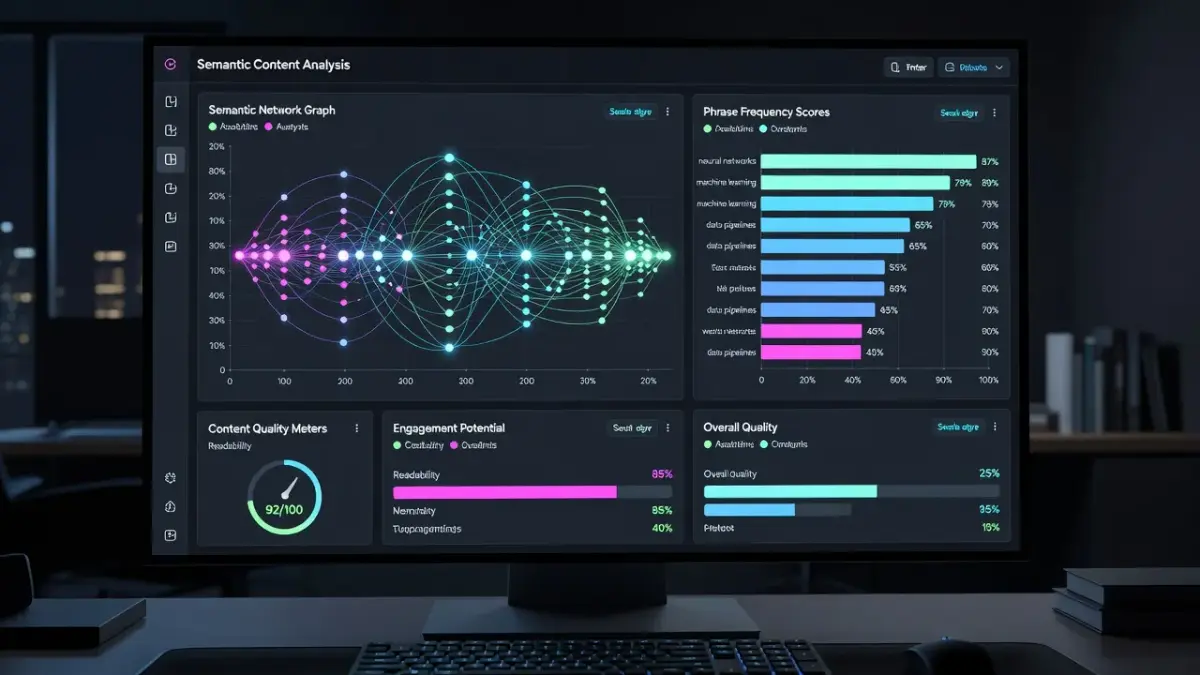
Surfer SEO relies on natural language processing (NLP) models to count phrase frequency across ranking results. It helps writers structure headings and cover related entities without recommending black hat tactics like hidden text or keyword stuffing.
Real-time auditing vs. real-time content optimization
Choosing between real-time monitoring and content optimization depends on whether your site suffers from code stability issues or editorial gaps. Understanding how each tool functions prevents overpaying for overlapping feature sets:
- ContentKing: Runs continuously in the cloud to detect immediate technical errors, such as broken canonical tags or unexpected page drops, before search engines re-index your site.
- Surfer SEO: Focuses on editorial composition, evaluating phrase density, heading structure, and word counts against pages currently ranking on page one.
Preventing keyword stuffing in content optimization tools
Using content optimization software safely requires treating phrase suggestions as flexible guidelines rather than strict targets. Forcing artificial phrases into a draft to reach a "100/100" optimization score hurts readability and signals low quality to human searchers.
Focus on writing clear, informative answers that address search intent directly. For detailed strategies on creating compliant content, read our guide on white hat SEO techniques.
Are Google Search Console and Yoast white hat SEO tools?
Yes, Google Search Console and Yoast SEO represent the gold standard of white hat tooling, directly supporting search engine indexing and site architecture. Google Search Console provides authoritative, first-party data directly from Google's index, while Yoast structures on-page metadata inside WordPress websites.
Google Search Console (GSC) is completely free and serves as the primary communication channel between webmasters and Google's indexing systems. It flags manual penalties, security issues, and mobile usability bugs directly to site owners.
FIRST-PARTY DATA vs ON-PAGE CONTROL
Two columns sit side by side under this title, with Google Search Console (GSC) on the left and Yoast SEO / CMS Plugins on the right.
| Google Search Console (GSC) | Yoast SEO / CMS Plugins |
|---|---|
| Real impressions & clicks | XML Sitemap generation |
| Indexing status reports | Title & meta description fields |
| Security & penalty alerts | Schema markup insertion |
| Free first-party data source | Canonical URL configurations |
Unlocking growth with Google Search Console
Google Search Console provides true performance metrics without relying on third-party estimations or sample datasets. It provides clear, actionable insights for growth:
- Real Click and Impression Data: Shows exact search queries bringing visitors to your site, along with average position metrics across mobile and desktop devices.
- Sitemap Submissions: Allows publishers to submit XML sitemaps directly, ensuring fast indexation of newly published content.
- Indexability Diagnostics: Identifies pages excluded from search results due to
noindextags, canonical mismatches, or crawl errors.
Integrating GSC performance data with publishing platforms simplifies tracking. If you run an e-commerce platform, see our step-by-step walkthrough for configuring Google Search Console for Shopify.
Managing site infrastructure with Yoast SEO
Yoast SEO automates structural code generation inside WordPress, eliminating manual technical setup. It manages canonical tags, constructs clean XML sitemaps, and adds schema structured data to web pages automatically.
Using Yoast prevents technical errors like duplicate content indexes and missing metadata. However, site owners must remember that on-page plugins facilitate indexation but do not generate content strategy or perform keyword research automatically.
Evaluating the Top White Hat SEO Software Options
Selecting white hat tools requires matching software capabilities with your primary business bottlenecks - whether that means technical auditing, link research, or scaling daily content production.
1. PulseRank
- Overview: An integrated SEO and generative engine optimization (GEO) platform that automates organic content strategy, writing, publishing, and rank reporting.
- Why It Made the List: Replaces disparate software tools by combining keyword research, strategy planning, citation-focused writing, and direct site integration into one workflow.
- Key Trade-off: Built specifically for end-to-end content production and search tracking rather than ad-hoc, manual link research.
- Best For: Small business owners, growth agencies, and brands wanting a full organic content operation for a simple flat monthly rate.
2. Google Search Console
- Overview: Google's native webmaster interface that reports directly on indexing status, search visibility, and technical site health.
- Why It Made the List: It provides 100% accurate, first-party data straight from Google at no cost.
- Key Trade-off: Does not provide competitor keyword research or automated content generation features.
- Best For: Every website owner operating on the web.
3. Ahrefs
- Overview: A premier search database known for its extensive link index and deep keyword analytics.
- Why It Made the List: Offers accurate backlink intelligence and comprehensive domain rank tracking capabilities.
- Key Trade-off: Strictly enforces data usage caps; costs quickly escalate as team size grows.
- Best For: SEO specialists and digital agencies conducting deep competitive intelligence.
4. Screaming Frog SEO Spider
- Overview: An installed desktop application that crawls website structures to highlight hidden technical issues.
- Why It Made the List: Crawls large websites quickly without recurring monthly per-page subscription fees.
- Key Trade-off: Requires technical expertise to interpret complex server log data and audit reports correctly.
- Best For: Technical SEOs, web developers, and site auditors.
5. Semrush
- Overview: An enterprise-level marketing suite offering search, pay-per-click (PPC), and social media competitive research.
- Why It Made the List: Delivers a broad selection of digital marketing research tools within a single dashboard.
- Key Trade-off: Interface can feel overwhelming for small business owners who only need basic search features.
- Best For: In-house marketing teams managing cross-channel campaigns.
The Hidden Costs of SEO Software Stacks
Stacking individual SEO subscriptions often leads to unexpected software costs that strain small business budgets. What starts as a $99 monthly tool frequently balloons as team access, rank tracking updates, and content optimization modules are added.
The Fragmented Tool Stack
Each tool's monthly cost sits in the right-hand column beside its name. The total is set apart from the five tools by a divider, so it appears as the final row below them.
| THE FRAGMENTED TOOL STACK | |
|---|---|
| Keyword Research Tool (Base tier) | $129 / month |
| On-Page Content Optimizer | $89 / month |
| Technical Site Crawler | $22 / month |
| AI Writer / Generation Add-on | $99 / month |
| Extra User Seats & Credits | $150 / month |
| TOTAL FRAGMENTED STACK COST | $489 / month |
The per-seat and usage credit pricing traps
Most legacy SEO software platforms utilize credit-metering models that penalize growing teams. Key usage traps to watch out for include:
- Keyword Crawl Frequency Limits: Standard plans often update rank tracking only once per week; daily updates require purchasing higher-tier plans.
- Historical Data Locks: Basic subscriptions restrict historical search data to 6–12 months, locking multi-year trend analysis behind enterprise tiers.
- Export and Reporting Limits: Exporting reports for client presentations consumes monthly account credits rapidly, forcing teams to buy add-on credit packages.
Why flat-rate consolidated operations make financial sense
Consolidating software dependencies into a single platform stabilizes software expenses while streamlining internal operations. A flat $499 per month solution like PulseRank eliminates usage metering by providing strategy, generation, direct publishing, and reporting without tier upgrades or seat charges.
Businesses can explore additional modern platforms by reviewing our detailed guide on the best AI SEO optimization tools.
Frequently Asked Questions
What makes an SEO tool "white hat"?
An SEO tool is considered white hat if it adheres strictly to search engine developer policies and Webmaster Guidelines. White hat tools do not automate black hat tactics such as spamming link directories, generating spun low-quality text, or faking user clicks. They focus on gathering public market data, identifying technical site errors, and helping publishers create helpful content.
Can using automated SEO software get my website penalized?
Software that provides market analytics, site auditing, or keyword research will never trigger a search penalty. Penalties only occur if you use automated tools to deploy manipulative, black hat tactics directly on your website - such as link schemes or automated content spam designed to deceive search algorithms.
How much does reliable white hat SEO software cost?
Essential tools like Google Search Console are 100% free, while entry-level research tools typically range from $99 to $139 per month. Complete, end-to-end platforms that automate keyword research, content creation, direct publishing, and rank reporting generally cost around $499 per month on a flat subscription model.
Is AI-generated content considered white hat by Google?
Yes, Google explicitly confirms that AI-generated content is fully compliant as long as it delivers helpful, factual, and user-centric value. Google penalizes automatically generated content only when it is produced at scale primarily to manipulate search rankings without offering original utility to searchers.
Do I need multiple SEO tools to manage my website?
No, you do not need multiple standalone tools if your chosen platform covers research, optimization, and reporting within one interface. While traditional workflows often combine separate tools for keyword research, technical crawling, and rank tracking, modern platforms consolidate these capabilities into a single unified system.
How often should I run technical SEO audits using software?
Small to medium-sized websites should run complete technical audits once every month, or immediately following major site updates. Continuous auditing tools like ContentKing run perpetually, while desktop applications like Screaming Frog are typically launched periodically to identify broken links, crawl errors, and missing metadata.
What is the difference between white hat and black hat software?
White hat software focuses on passive research, site health analysis, and high-quality content production. Black hat software automates manipulative tactics, such as building private blog networks (PBNs), mass-commenting on forums, scraping competitor text, or hiding keywords to trick search algorithms.