
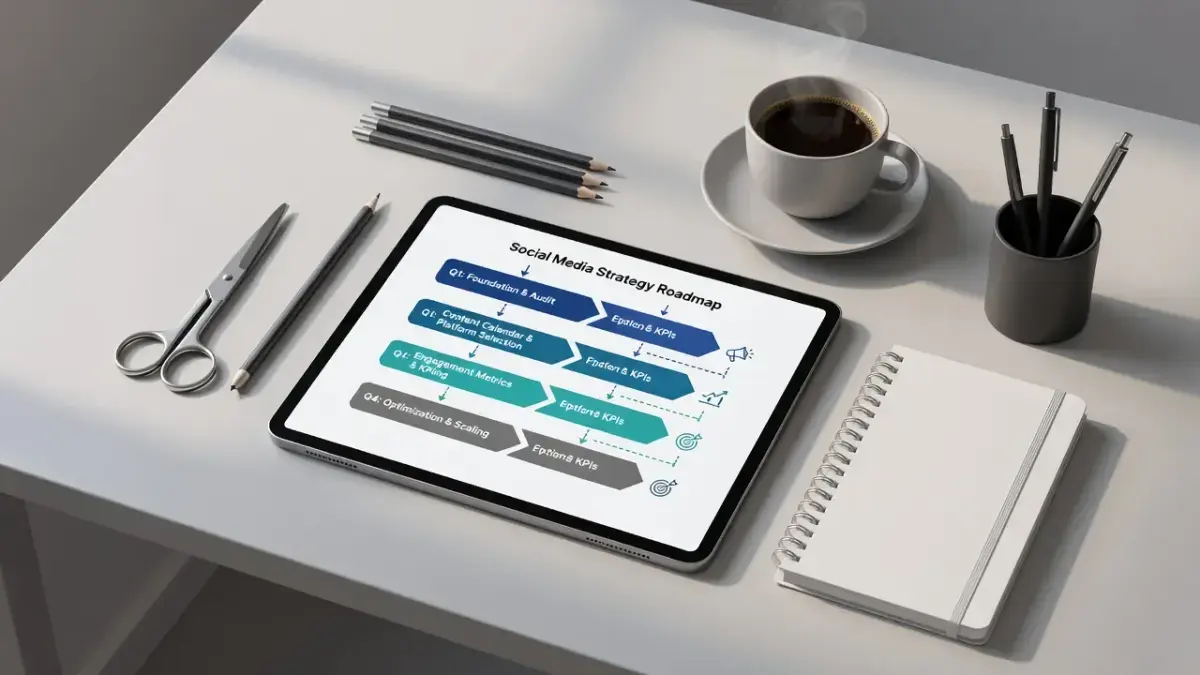
Building a profitable LinkedIn content strategy in 2026 requires defining three core content pillars, publishing 3 to 5 high-retention posts per week, and executing a targeted 60-minute post-publishing engagement routine. Following this six-step blueprint takes roughly three hours per week and generates predictable B2B leads without relying on paid advertising budget.
Many business owners still approach LinkedIn like it was in 2021, dumping outbound links into text updates or relying on generic polls. But algorithm updates over the past two years have rendered those tactics obsolete. Today, organic distribution favors original insights, document carousels, and long-form video that keeps members inside the mobile app.
LinkedIn Content Strategy Blueprint at a Glance
The table below breaks down the six execution steps, including the realistic time investment and core output for each stage.
| Strategy Step | Strategic Focus Area | Estimated Time Required | Key Deliverable |
|---|---|---|---|
| Step 1: Audience & Pillars | Audience positioning and core topic selection | 45 minutes (one-time) | 3 distinct content pillars |
| Step 2: Format Selection | Matching pillar topics to native post types | 30 minutes (one-time) | Content format template kit |
| Step 3: Post Drafting | Writing retention-focused hooks and skimmable copy | 90 minutes / week | 3-5 finalized draft posts |
| Step 4: Scheduling & Batching | Queuing posts for optimal publication windows | 30 minutes / week | Weekly automated queue |
| Step 5: Active Engagement | Commenting on target profiles and responding to replies | 60 minutes / week | 25+ meaningful comment interactions |
| Step 6: Performance Auditing | Analyzing profile visits, impressions, and conversions | 30 minutes / month | Monthly optimization report |
What Posting Frequency Does LinkedIn Recommend for Creators in 2026?
LinkedIn officially recommends that creators and business pages post between 3 to 5 times per week to maximize reach without causing audience fatigue. Publishing multiple times in a single 24-hour period can cannibalize impressions on your previous posts because the algorithm prioritizes spreading out creator delivery.
Quality has completely eclipsed high-frequency posting in recent algorithm cycles. In previous years, posting twice daily was a common tactic to dominate newsfeeds. Today, LinkedIn penalizes low-effort volume. A single post that generates long dwell times and active discussion threads will continue receiving distribution for 48 to 72 hours.
For small teams managing multiple marketing channels, batching your social content alongside your main SEO and website campaigns keeps your publishing schedule predictable. If you want to streamline your overall content pipeline beyond LinkedIn, utilizing a platform like PulseRank can automate your blog production while freeing up time to focus on social interaction.
What Content Formats Work Best on LinkedIn?
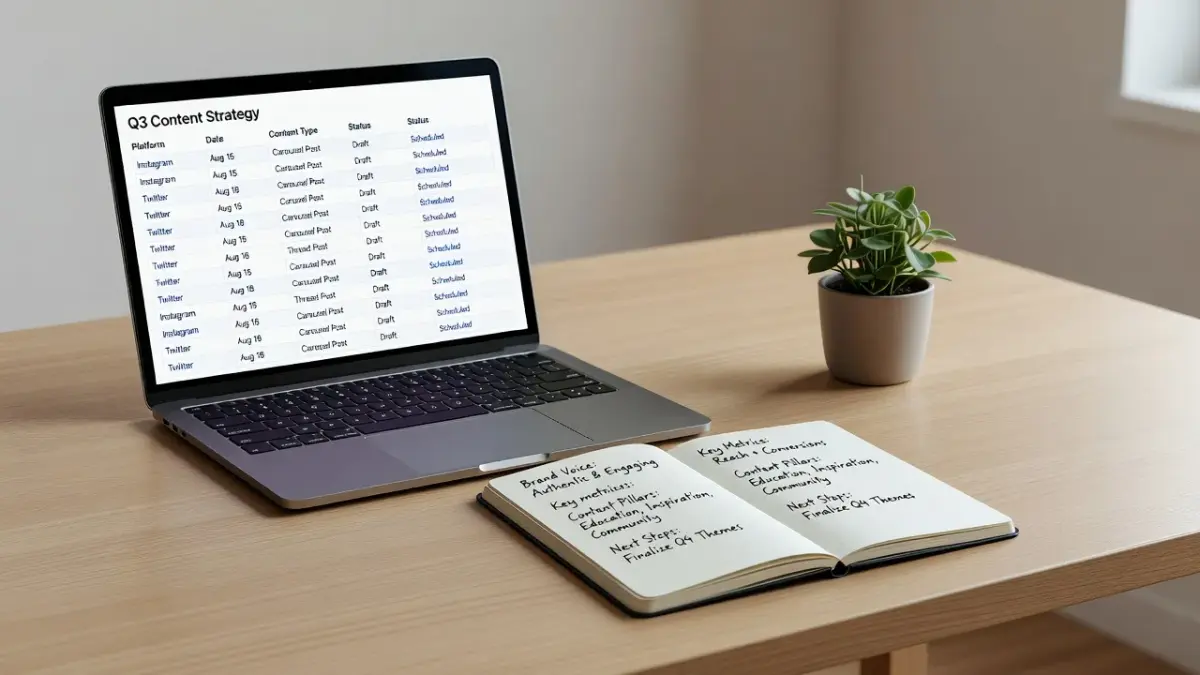
Document carousels (PDF slides) and native short-form videos deliver the highest reach and conversion rates on LinkedIn as of late 2026. Standard text posts with single images produce lower average reach compared to formats that keep users interacting on the screen.
Understanding how different asset types perform allows you to match your business goals with the right post format:
- Document Carousels (PDFs): These generate high dwell time as readers click through multi-page slide decks. They work best for step-by-step frameworks, tear-downs, and data summaries.
- Native Video: Vertical videos under 90 seconds are heavily promoted across mobile feeds. Ensure you include burn-in captions, as over 70% of professional users watch feed videos with the sound off.
- Text-Only Posts with Micro-Formatting: Short, punchy text updates still work well for personal stories, contrarian opinions, and quick industry commentary.
- External Links in Body Copy: Direct links inside post text suffer an organic reach penalty of roughly 40% to 50%. Always place outbound links in the top comment or use a profile feature link instead.
According to content research published by Social Media Examiner, native document carousels generate up to three times more clicks and saves than traditional link-sharing posts.
What Does the LinkedIn Algorithm Favor for Engagement in 2026?
The LinkedIn algorithm prioritizes posts that generate long dwell time, spark multi-turn comment conversations among relevant professionals, and earn early engagement within the first 60 minutes. Broad engagement bait and clickbait phrases are explicitly downgraded.
To earn organic reach today, your content must align with three primary algorithm signals:
- Dwell Time: The total seconds a user spends paused on your post, expanding your text via "see more," or sliding through a document carousel.
- Comment Depth: Long, thoughtful comments from industry peers carry far more weight than simple one-word replies or automated emoji reactions.
- Topic Relevance: LinkedIn scans text using natural language processing to categorize posts into specific professional skills. Posts are then shown to users who actively engage with those specific topics.
Engineering your posts for deep engagement mirrors how modern search engines evaluate page quality. When building a comprehensive web presence, combining social reach with an optimized content base creates a complete acquisition funnel. Aligning your social posts with your broader website content strategy ensures that visitors who click through from your profile find structured, high-value pages.
What Does Justin Welsh Recommend for LinkedIn Posting Frequency and Formats?
Solopreneur growth expert Justin Welsh recommends posting 1 high-quality text-plus-visual post per day (5 to 7 times weekly) built around a single core topic. His strategy focuses on extreme consistency, simple formatting, and turning single ideas into reusable modular assets.
In his published guides on JustinWelsh.me, he outlines a streamlined approach to audience growth:
- Pick One Narrow Niche: Focus on a specific problem for a precise buyer persona rather than speaking to everyone.
- Use the "Hub and Spoke" System: Take one core concept and break it down into multiple sub-topics across different days.
- Emphasize Clean Formatting: Use short sentences, clear spacing, and strong visual hooks to eliminate reading friction.
- Engage Before and After Posting: Spend 15 minutes commenting on major accounts in your niche immediately before and after publishing your own update.
What Are the Trends for LinkedIn Newsletters and Articles in 2026?
LinkedIn newsletters in 2026 serve as direct subscriber acquisition tools, pushing automatic push notifications and email digests to subscribers. Long-form pulse articles have largely been absorbed into the newsletter feature, which offers significantly higher organic visibility.
Publishing a bi-weekly or monthly newsletter on LinkedIn offers three distinct business advantages:
- Instant Email Reach: When a member subscribes to your LinkedIn newsletter, your issues are sent directly to their registered email inbox in addition to their platform notifications.
- High Authority Signal: Newsletters rank exceptionally well on traditional search engines, capturing organic web traffic alongside platform views.
- Subscriber Conversion: LinkedIn prompts new followers to join your newsletter automatically when they hit the follow button on your profile.
Step 1: Establish Your Core Content Pillars and Audience Positioning
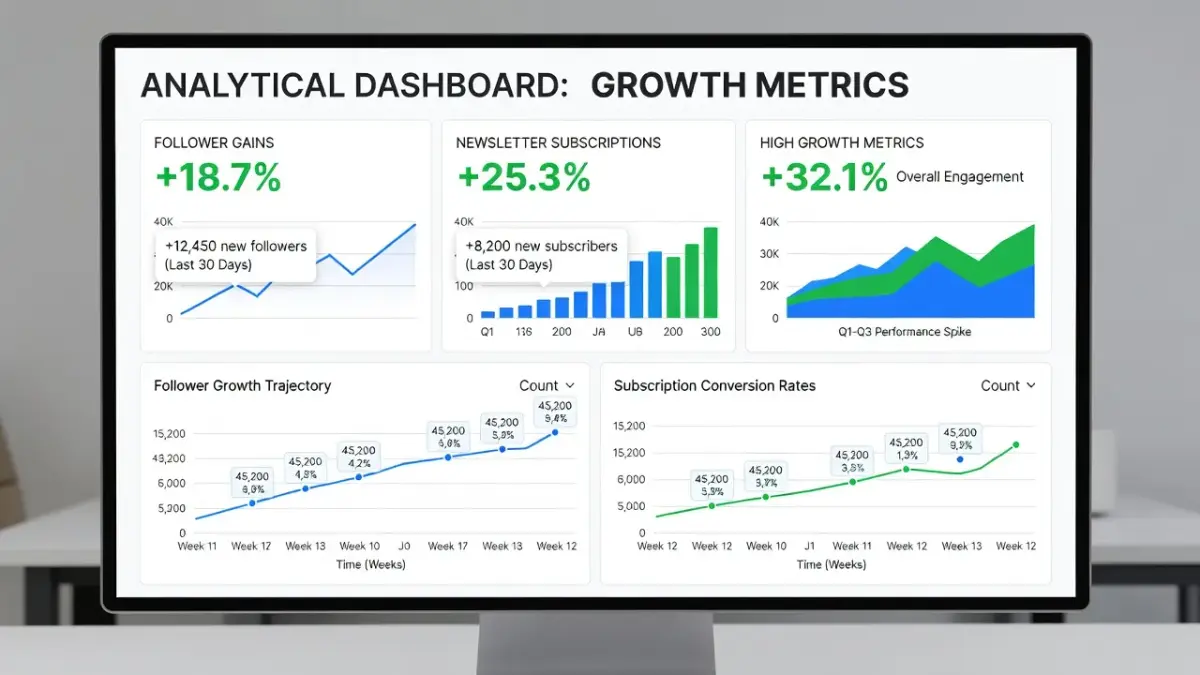
To build an effective strategy, select exactly three content pillars that bridge your business expertise with your target customer's daily challenges. Publishing without defined pillars creates an inconsistent feed that fails to build topical authority.
Follow this division to balance authority, reach, and sales conversion:
- Industry Expertise Pillar (50% of content): Tactical advice, step-by-step guides, and technical breakdowns that prove you know your trade.
- Perspective & Myth-Busting Pillar (30% of content): Contrarian takes, industry trends, and lessons learned from past business mistakes.
- Social Proof & Conversion Pillar (20% of content): Client case studies, breakdown of client results, and soft calls to action pointing to your offer.
Define your primary ideal customer profile (ICP) before drafting a single word. Ask yourself: What specific business problem keeps them up at night? What jargon or terms do they use? Address those specific points in your opening lines.
For agency owners and B2B operators who need to maintain consistent messaging across both social channels and owned websites, applying structured positioning is vital. Aligning your social messaging with a dedicated B2B content marketing strategy prevents brand disconnects between your social posts and your main sales pages.
Step 2: Pick Your High-Yield LinkedIn Content Formats
Select two primary formats to master over your first 90 days rather than trying to publish across every medium simultaneously. For most B2B companies, pairing text-plus-image updates with document carousels offers the best balance of creation speed and algorithm reach.
Use this format matrix to match your post goals with the correct medium:
- For Complex How-To Guides: Use a 5-to-8 slide PDF document carousel. Keep text large (24pt minimum) so mobile users can read without zooming.
- For Quick Tactical Tips: Use a text post under 1,000 characters structured with clear bullet points.
- For Brand Storytelling: Combine a single high-resolution image (such as an behind-the-scenes photograph) with a narrative text structure.
- For Product Demos: Upload a 60-second raw screen recording directly to LinkedIn with native subtitles added.
Avoid using third-party link previews directly in your main post body. The algorithm systematically reduces the reach of updates containing outbound URLs because they drive users off the platform. Place external URLs in your profile featured section or top comment instead.
Step 3: Write High-Retention Hooks and Skimmable Post Bodies
Draft your post with a powerful opening hook that forces the reader to click "see more" within the first 210 characters. The first two lines of your post dictate whether a reader scrolls past or stops to read your entire update.
Apply these proven hook structures to boost your open rates:
- The Contrarian Hook: "Most founders think X is the best way to grow. Here is why that approach fails in 2026."
- The Data-Driven Hook: "We analyzed 100 landing pages last month. Only 4 converted over 8% - here is what they did differently."
- The Direct Value Hook: "How to audit your business strategy in 30 minutes (without paying an external agency):"
Once the reader expands your post, make the body effortless to scan. Use single-sentence paragraphs, short bullet points, and bold text headers where appropriate. Eliminate dense walls of text - mobile readers will quickly bounce if a post looks exhausting to process.
Step 4: Build a Workable Weekly Publishing and Batching Schedule
Batch your content creation into one 90-minute session per week to maintain consistency without destroying your daily operational focus. Trying to write social posts fresh every morning leads to burnout, missed days, and erratic post quality.
Here is a practical weekly workflow used by successful small business owners:
- Monday Morning (30 Mins): Review your monthly performance metrics and outline 4 post topics based on recent client conversations or top-performing past posts.
- Monday Afternoon (60 Mins): Draft all 4 posts in a plain text editor. Design any required PDF carousels using simple presentation software.
- Tuesday Morning (15 Mins): Load your updates into a native LinkedIn scheduling tool or third-party buffer application. Set target publish times between 7:30 AM and 9:00 AM in your target audience's local time zone.
If your marketing responsibilities extend beyond LinkedIn into maintaining a company blog and organic search channels, manual scheduling across platforms can consume massive amounts of time. Platforms such as PulseRank streamline this process by automating whole content lifecycles - from keyword research and article generation to daily publishing and performance tracking - allowing team leads to stay focused on execution.
Step 5: Execute the 60-Minute Post-Publishing Engagement Protocol
Spend 15 minutes before publishing and 45 minutes immediately after publishing interacting with key industry accounts to trigger early algorithm distribution. LinkedIn rewards creators who contribute active engagement across the platform rather than using it as a broadcast-only channel.
Follow this daily engagement checklist when a new post goes live:
- Pre-Post Warmup (15 Mins): Visit 5 target prospective clients or industry leaders. Leave insightful, multi-sentence comments on their latest updates.
- Immediate Post Phase: Publish your scheduled update.
- Post-Publish Window (45 Mins): Stay active on your feed. Reply immediately to every comment left on your post. Ask follow-up questions in your replies to keep the conversation going.

Step 6: Audit Metrics and Double Down on Winning Content Topics
Review your LinkedIn analytics on the first business day of every month to identify your top 10% performing posts and recycle those core themes. Relying on intuition rather than actual performance metrics leads to repeated execution of low-performing post concepts.
Focus on these four primary metrics inside your LinkedIn analytics dashboard:
- Profile Views: Indicates whether your content is compelling readers to investigate your business offerings.
- Engagement Rate: Total interactions divided by impressions. Aim for a target engagement rate above 3.5%.
- Dwell Time & Saves: Indicates high utility content that audience members want to store for future reference.
- Inbound Direct Messages: The ultimate conversion metric measuring how many qualified prospects reach out directly after consuming your posts.
When you spot a post that generated unusually high profile views or inbound leads, convert that single update into multiple variations. Turn a text post into a 6-slide document carousel, or expand the concept into a long-form article for your company blog. Knowing how to refine your content distribution strategy across multiple touchpoints ensures maximum value from every single concept you create.
Frequently Asked Questions
What is the best time to post on LinkedIn in 2026?
The most reliable posting window on LinkedIn is Tuesday through Thursday between 7:30 AM and 9:30 AM in your target audience's primary time zone. Early morning posts catch professionals during their start-of-day routine before meetings begin.
Should I use hashtags on my LinkedIn posts?
Hashtags play a minimal role in LinkedIn reach in 2026. Official guidance recommends using 2 to 3 highly relevant hashtags at most, but algorithmic updates prioritize text keywords and natural language context over hashtag tags.
Is a LinkedIn Company Page better than a Personal Profile for business growth?
Personal profiles generate significantly higher organic reach than company pages on LinkedIn. Small business owners should publish primary content from their personal profile, using the company page as a secondary brand verification anchor.
How long should a LinkedIn post be for maximum reach?
Posts between 800 and 1,200 characters strike the ideal balance between providing deep tactical value and maintaining fast readability. Text updates should use frequent line breaks to keep mobile reading effortless.
Can I automate my LinkedIn posting schedule safely?
Yes, using approved scheduling applications via LinkedIn's official API is safe and does not trigger account penalties. However, fully automated commenting bots violate terms of service and will result in shadowbans or account suspension.
How long does it take to see inbound leads from a LinkedIn strategy?
With consistent execution of 3 to 5 posts per week alongside targeted outbound engagement, most businesses begin seeing qualified inbound inquiries within 60 to 90 days.