

foundational non-crafted response:
Digital marketing examples encompass strategic digital activities—such as search engine optimization (SEO), video publishing, interactive user research, and transactional mobile apps—that convert online interest into business outcomes. Unlike static physical media, effective digital channels yield measurable data, enabling businesses to evaluate their reach, visual engagement, and conversion performance precisely.
For independent business owners and growth agencies, looking past basic definitions to observe how companies acquire and retain customers creates a clear path forward. Examining practical digital marketing strategies helps businesses discover what works, what falls short, and how to execute similar tactics effectively.
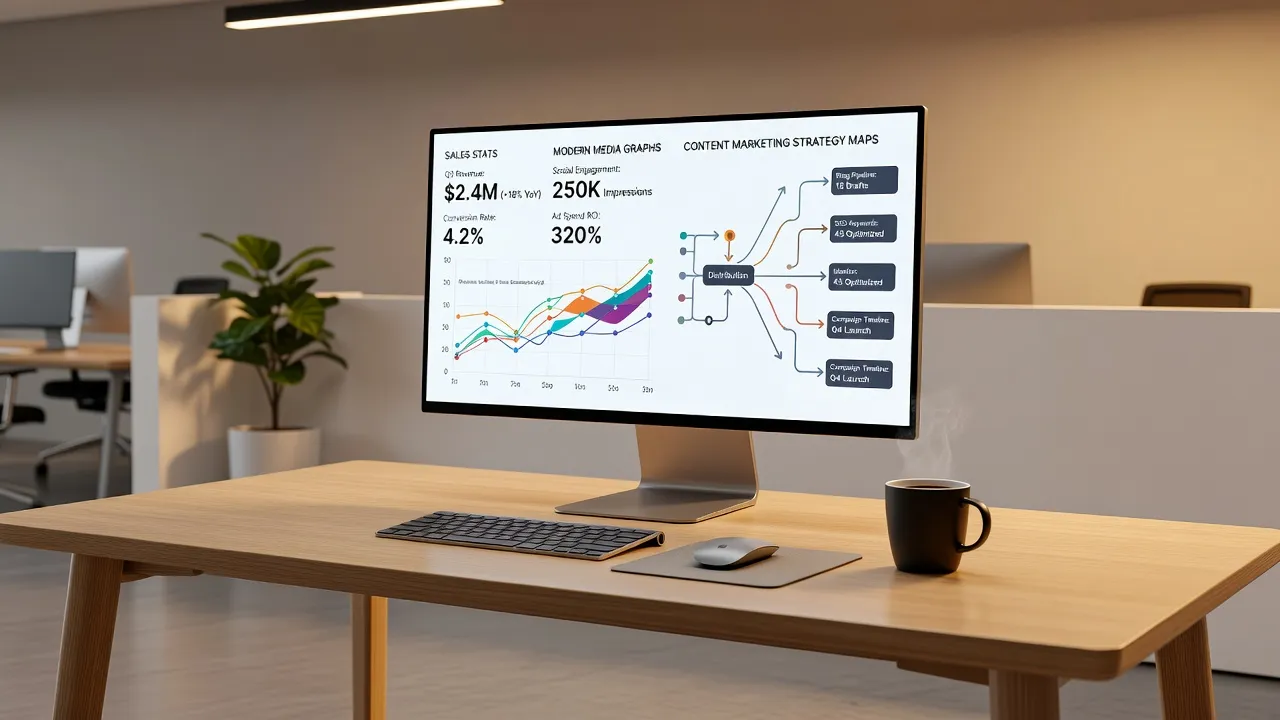
Scenario 1: Rebuilding Local Search Visibility with Search Engine Optimization
- Search Engine Optimization (SEO & Local Search Setup)
- Targeted Keyword Research (High Intent Keywords)
- High-Quality Content & Landing Page Optimization
- Google Search & Answer Engine Citations
Each step feeds into the next in the order listed.
Local organic visibility works as a continuous digital strategy that drives reliable customer acquisition over time. Instead of relying exclusively on paid ad placements—which lose traction as soon as budget allocations end—local businesses build reliable value by building target landing pages focused on local search terms.
A regional plumbing enterprise might build specific landing pages targeting phrases like "emergency commercial pipe repair in Dallas" or "tankless water heater installation." By layering structured data schema alongside customer reviews, the company earns spots within local map packs and organic search results.
Building authority across organic search engines requires systematic publication. Organic platforms like PulseRank support this approach by automating keyword research, organizing content strategies, and delivering search-optimized articles directly to your management platform. Setting up structured publishing schedules helps small businesses secure local visibility without incurring high agency management fees.
Scenario 2: Boosting Engagement Through Short-Form Video Content
Short-form video assets across TikTok, Instagram Reels, and YouTube Shorts allow businesses to convert long visual explanations into quick, digestible product demonstrations. Instead of relying on long digital brochures, visual brands leverage vertical media to present real-world applications within seconds.
A local skincare brand, for example, can publish unedited 15-second clips demonstrating product applications on varying skin types, directly answering user queries pulled directly from social comment sections.
- Short-Form Video Marketing Strategy
- Identify Frequently Asked Questions (pulled from comments and search)
- Produce 15-30 second vertical videos (demonstrations, UGC, quick solutions)
- Distribute across TikTok, Reels, and Shorts (drives direct product engagement)
According to public broadcast documentation by YouTube's Official Blog, short-form content drives billions of daily views worldwide, making it an essential channel for brands building visual social proof.
Key execution priorities for short-form video strategies include:
- Focusing on immediate value: Deliver the main point within the initial three seconds of video playback to retain viewer attention.
- Integrating native text overlays: Display key messaging visually so users watching without audio capture your core message.
- Repurposing visual formats: Capture source video materials once and deploy them across multiple platform algorithms to maximize audience reach.
Scenario 3: Nurturing Leads with Automated Email Workflows
Automated email sequences convert casual web visitors into active clients by systematically delivering personalized, valuable information. Unlike broad broadcast mailings, behavior-based trigger campaigns send targeted messages based on specific actions users complete on your website.
A boutique software-as-a-service (SaaS) provider might implement a four-part educational email sequence for users who register for a downloadable template.
- Day 0: Instant Access Delivery & Core Value Introduction
- Day 2: Actionable Problem-Solving Blueprint (Educational Focus)
- Day 4: Customer Success Case Study & Proof Points
- Day 7: Soft Consultation Offer or Product Trial CTA
Data from Mailchimp's E-commerce Statistics shows that automated trigger-based emails generate significantly higher open and click-through rates than standard newsletter blasts. Implementing lifecycle workflows ensures leads stay engaged with your brand without requiring manual daily outreach.
Scenario 4: Retargeting High-Intent Visitors via Paid Social Ads
Paid social retargeting allows businesses to re-engage potential customers who visited landing pages or abandoned items in a digital shopping cart. By serving relevant visual ads to users who already know your brand, you maximize return on ad spend compared to cold audience targeting.
An online furniture manufacturer might configure ad pixels to display specific living room sets to visitors who spent over two minutes on a specific product page without completing a transaction.
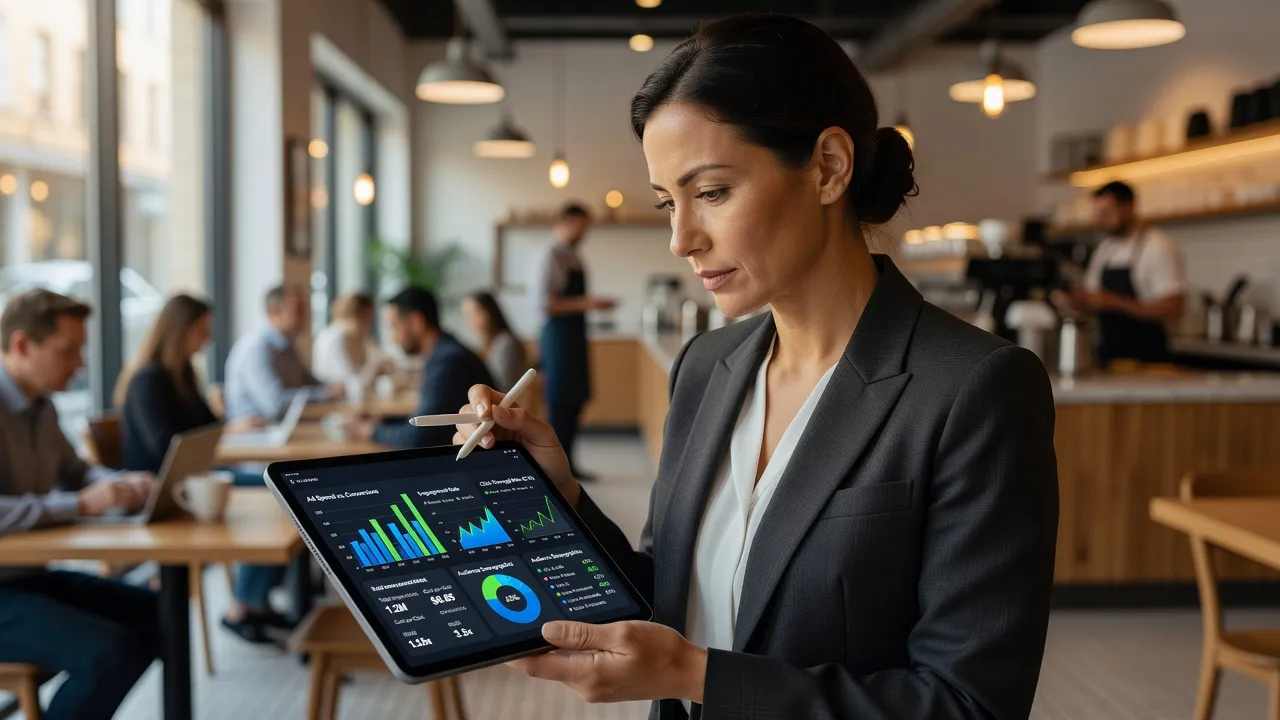
To maximize ad efficiency, consider these key retargeting tactics:
- Segmenting custom audiences: Exclude buyers who recently purchased to avoid wasting impression budgets on converted users.
- Offering dynamic incentives: Show time-sensitive promotions or free shipping codes to shoppers who left items in their cart.
- Rotating visual variations: Update ad imagery every few weeks to combat ad fatigue across active remarketing lists.
What is Nike's "Just Do It" digital marketing campaign?
Nike's "Just Do It" digital campaign expands traditional brand storytelling across social media, video streaming platforms, and workout mobile apps. Originally launched in 1988 as a print and television campaign, Nike evolved the asset into a modern multi-channel ecosystem centered on personal empowerment and athlete stories.
Nike "Just Do It" Ecosystem flows through the following channels in sequence:
- Social Media Channels: Micro-Stories & Inspirational Reels
- Mobile Apps (Nike Run Club): Interactive Training Plans
- Direct-to-Consumer Platform: Unified E-Commerce Experience
Across YouTube, Instagram, and specialized mobile platforms like the Nike Run Club app, the brand blends aspirational video storytelling with personalized user tracking.
Rather than focusing solely on shoe specifications, Nike's messaging highlights community achievements and individual milestones, driving long-term customer loyalty across direct-to-consumer digital touchpoints.
What is Coca-Cola's "Share a Coke" campaign revival?
Coca-Cola's "Share a Coke" campaign revival uses digital personalization, custom online ordering tools, and social media sharing to modernize product marketing. The campaign replaced traditional logo placements on bottles with popular names, encouraging consumers to post photos of personalized bottles online using campaign hashtags.
"Share a Coke" Digital Flywheel
- Personalized Packaging: Names Printed on Product Bottles
- User-Generated Content: Hashtag Sharing on Social Platforms
- Direct E-Commerce Portal: Custom Bottle Orders & Deliveries
The campaign's digital revival allows customers to design custom bottles through e-commerce web portals, generating significant user-generated content (UGC) across platforms like Instagram and TikTok.
By turning physical product packaging into shareable social assets, Coca-Cola bridges the gap between traditional retail distribution and digital customer engagement.
What is the Spotify Wrapped marketing campaign?
Spotify Wrapped is an annual viral marketing campaign that compiles personalized listening statistics into visual, highly shareable social media graphics. Delivered directly through the mobile app each December, the campaign transforms individual streaming habits into custom summaries detailing top artists, genres, and total listening minutes.
- Data Aggregation: Tracks Yearly Listening History per User
- In-App Visualization: Generates Vibrant, Vertical Story Cards
- Native Social Export: Direct Sharing to Instagram, X, & TikTok
Spotify designs these tailored summaries specifically for platform sharing on Instagram Stories, X (formerly Twitter), and TikTok.
This strategy converts millions of music listeners into brand advocates every year. It drives organic user acquisition without heavy reliance on traditional paid advertising campaigns.
What is McDonald's app promotion digital marketing campaign?
McDonald's app promotion campaign uses exclusive digital discounts, mobile ordering options, and gamified loyalty programs to drive customer downloads. Through targeted push notifications, geofenced location offers, and campaign tie-ins, McDonald's converts occasional drive-thru customers into regular digital ordering app users.
McDonald's Mobile Digital Lifecycle feeds into the following sequence:
- Exclusive In-App Deals: App-Only Discounts & Free Item Rewards
- Push Notifications: Geofenced Meal Reminders & Special Events
- Gamified Loyalty Points: Repeat Purchases Earn Redeemable Rewards
By prioritizing first-party mobile data collection, the fast-food chain delivers targeted daily offers based on personal order histories.
This approach increases repeat order frequencies, reduces restaurant wait times, and provides valuable data on customer spending habits.
What is Burger King's AI or NFT digital marketing campaign?
Burger King's digital campaigns leverage conversational AI, generative tools, and interactive collectibles to target tech-savvy audiences. A notable campaign involved the "Keep It Real Meals" initiative, which integrated QR codes on meal packaging to unlock digital collectibles and bonus content.
- Burger King Interactive Experience
- Packaging Touchpoints: Scannable QR Codes on Product Items
- Digital Unlockables: Generative Avatar Upgrades & Rewards
- Mobile App Integration: Points Credited to Loyalty Account
Each step feeds into the next in this sequence.
Additionally, Burger King has experimented with voice-activated smart home prompts and interactive AI campaigns designed to drive social media conversation.
While experimental technologies like digital collectibles require careful planning, these projects demonstrate how traditional quick-service brands use modern digital media to stay relevant with younger audiences.
What is Apple's "Shot on iPhone" marketing campaign?
Apple's "Shot on iPhone" campaign showcases user-generated photography and video footage captured by everyday consumers and creative professionals. Launched to highlight camera hardware improvements, Apple curates real photos taken on iPhones and deploys them across digital billboards, YouTube ads, and Instagram campaigns.
- User Submission: Creative Photos Shared with #ShotOniPhone
- Brand Curation: High-Quality Imagery Selected for Showcase
- Multi-Channel Deployment: Digital Billboards, Social & Web
By placing real customer creative work at the center of its promotional strategy, Apple builds authentic product capability proof.
This user-generated content approach provides continuous marketing assets while proving camera performance through real consumer experiences.
Digital Marketing Strategy Comparison for Businesses
Choosing the right digital marketing channels depends on your specific business budget, overall goals, and operational resources. The evaluation table below breaks down practical strategy choices across common operational metrics.
| Strategy Example | Primary Goal | Target Audience Focus | Typical Budget Level | Expected Results Timeline | Best Suited Business Type |
|---|---|---|---|---|---|
| Search Engine Optimization (SEO) | Sustainable Organic Growth | High-Intent Searchers | Moderate ($500 - $3,000/mo) | 3 to 6 Months | Businesses seeking long-term customer acquisition |
| PulseRank (SEO/GEO Automation) | Content Engine & Citation Setup | Intent Searchers & AI Engines | Flat ($499/mo) | 1 to 3 Months | Growing brands & agencies needing automated organic content |
| Short-Form Video Marketing | Visual Brand Awareness | Casual Social Browsers | Low to Moderate ($300 - $1,500/mo) | 1 to 4 Weeks | Visual products, e-commerce, and personal brands |
| Automated Email Marketing | Lead Conversion & Retention | Existing Subscribers & Leads | Low ($50 - $300/mo) | Immediate (Once Active) | B2B service firms, SaaS, and established retail stores |
| Paid Social Retargeting | Fast Sales Conversion | Abandoned Site Visitors | Moderate to High ($1,000+/mo) | 24 Hours to 1 Week | E-commerce storefronts and high-margin services |
How Small Businesses Can Build a Unified Content Engine
Managing multiple digital strategies simultaneously can easily overwhelm small teams. Instead of splitting resources thinly across every available platform, successful companies focus on building an efficient content creation process.
The Unified Business Content Engine receives input that flows to Core Educational Assets (Long-Form Articles/SEO), which then flows to Derived Marketing Touchpoints (Social, Email, Ads).
- Establish a clear organic search foundation: Develop detailed, informative articles addressing common customer questions and industry challenges. Connecting these efforts with structured platforms like content strategy samples helps maintain a reliable output schedule.
- Repurpose core assets into derivative formats: Convert major points from long-form content into quick social media scripts, educational email lessons, and targeted ad copy.
- Automate publishing and performance tracking: Use structured scheduling tools and connected search analytics to monitor organic performance. As outlined in PulseRank's guide to content marketing with SEO, aligning content schedules with search metrics keeps campaigns focused on revenue-generating keywords.
Frequently Asked Questions
What is the most cost-effective digital marketing channel for small businesses?
Search Engine Optimization (SEO) and automated email marketing consistently deliver strong long-term returns. While paid advertising requires continuous budget allocations to maintain traffic flow, organic search content and targeted email workflows continue generating qualified leads long after their initial creation.
How often should a small business post video content on social media?
Consistency matters far more than high volume. Publishing two to three well-produced short-form videos per week allows small teams to maintain quality standards without exhausting operational resources.
What is the difference between brand marketing and performance marketing?
Brand marketing focuses on building long-term awareness, business authority, and emotional connections through creative visual campaigns. Performance marketing prioritizes immediate, trackable actions—such as sales conversions, newsletter signups, or mobile app installs—driven primarily through paid ad channels.
How do user-generated content (UGC) campaigns help local businesses?
User-generated content provides authentic social proof while reducing initial asset production costs. When existing customers post photos or videos using your products, their public feedback builds consumer trust faster than traditional brand promotions.
What digital marketing tools simplify multi-channel content management?
Integrated publishing platforms like PulseRank streamline keyword research, article scheduling, and search performance tracking in one place. Pairing publishing platforms with social media schedulers and email marketing suites creates an efficient digital marketing workflow.
Should local businesses focus on national search keywords?
Local businesses should focus on search terms with clear localized intent, such as specific city or regional phrases. Targeting local search intent reduces ad competition and connects your brand directly with buyers in your immediate service area.