
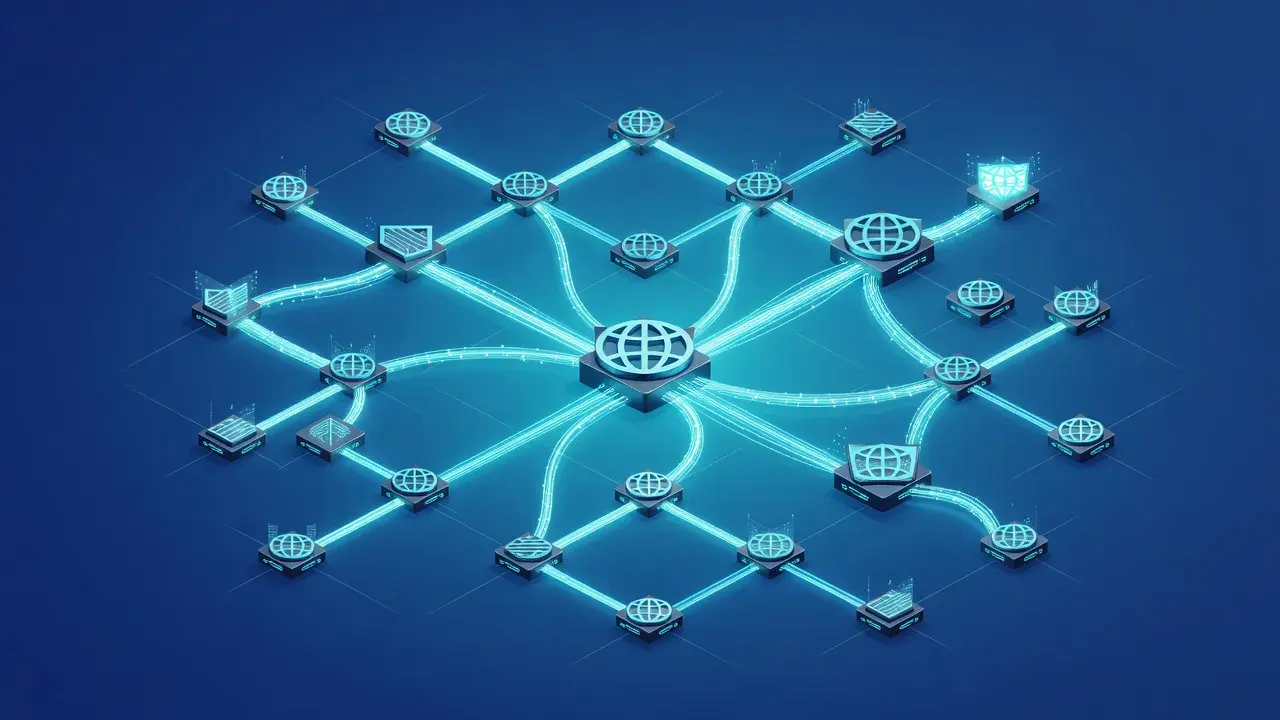
An authority backlink is a hyperlink pointing to your website from a highly trusted, established publication in your industry. Unlike low-quality directory listings or comment links, an authority backlink transfers significant search engine trust and PageRank signal to your domain. For small business owners and growing brands, securing these high-equity links signals to search engines like Google that your website is a reliable source of information.
Understanding how link authority works is essential when building an online presence. While search algorithms evaluate hundreds of factors, referring domain authority remains one of the strongest ranking signals. Software tools like PulseRank can track how your published content earns visibility in both traditional search engines and generative answer engines, but off-page signals like backlinks validate your site's authority to the broader web.

What do SEO experts and tools like Moz, Ahrefs, SEMrush, and Backlinko recommend for backlinks?
SEO experts and major industry platforms recommend acquiring backlinks by producing original research, creating definitive reference guides, and conducting targeted outreach. Industry standards published by Moz emphasize Domain Authority (DA), while Ahrefs uses Domain Rating (DR) to measure a referring site's relative strength on a log scale from 0 to 100.
Leading tools recommend focusing on three core criteria when evaluating potential link partners:
- Topical Relevance: A backlink from a moderate-authority site within your specific industry carries more weight than an unrelated link from a high-DR news site.
- Editorial Integrity: Links embedded naturally inside editorial content pass more trust than links placed in footers, sidebars, or directory lists.
- Link Equity Flow: Outbound links that use the standard dofollow backlink attribute allow search engines to pass ranking equity directly to your target page.
As of October 2026, platform guides from SEMrush and Backlinko stress that search engine algorithms penalize manipulated link networks. Buying cheap links from low-quality vendor farms frequently leads to algorithmic suppression. Instead, experts suggest earning links through content assets that naturally demand citations from writers and editors.
How do guest posting, HARO, and the skyscraper technique help build backlinks?
Guest posting, HARO outreach, and the skyscraper technique earn high-authority links by exchanging unique insights or upgraded resources for a editorial attribution link. Each strategy addresses a distinct outreach angle based on what publishers and journalists need.
These three tactics operate under clear execution mechanics:
- Guest Posting: You write an original article for an industry blog in exchange for an inline credit link to your site. This works best when targeting publications that cater to your target market.
- HARO (Help A Reporter Out / Connectively): You respond to journalist inquiries with direct quotes. If selected, the reporter includes your attribution link inside a major news article.
- The Skyscraper Technique: You find existing content in your niche with heavy link volume, write a significantly more comprehensive version, and reach out to sites linking to the original page to suggest your updated resource.
While all three methods are valid, the deciding factor for choosing between them comes down to your team's available time and content resources. Guest posting requires high writing capacity, HARO demands fast turnarounds on tight deadlines, and the skyscraper method requires heavy technical content depth.
How effective is HARO for getting backlinks from journalists and expert quotes?
HARO provides a direct channel to tier-one news outlets, yielding average pitch-to-link conversion rates between 5% and 15% for subject matter experts. Because reporters work under urgent deadlines, supplying concise, verified data often results in links from publications with Domain Ratings above 80.
To maximize your success rate with journalist query platforms, follow these practical rules:
- Respond Within One Hour: Journalists select quotes early in their writing window; late pitches rarely get read.
- Provide Ready-to-Publish Quotes: Format your response so an editor can copy and paste your text directly into the article draft without editing.
- Include Credentials and Proof: State your exact business title, website URL, and direct contact details clearly at the bottom of the response.
Avoid sending generic marketing pitches or using low-effort script generators. Journalists flag automated boilerplates quickly, which damages your domain's media reputation. Engaging with media queries correctly secures legitimate press mentions that protect your brand from dangerous alternatives like PBN backlinks.
What are examples of digital PR for backlinks using tools like Ahrefs and SEMrush?
Digital PR combines data-driven storytelling with targeted media outreach, using tools like Ahrefs and SEMrush to identify journalists who cover your industry. Instead of pitching promotional product updates, digital PR creates survey reports, industry benchmarks, or interactive calculators that journalists cite as sources.
A typical digital PR workflow involves three steps:
- Data Harvesting: Conduct an original survey of 500 business owners or analyze public government statistics to uncover an interesting trend.
- Prospecting via SEO Tools: Use Ahrefs Content Explorer or SEMrush Media Monitoring to find reporters who wrote about similar industry statistics over the past six months.
- Personalized Pitching: Send short email pitches highlighting the top three takeaways from your data set alongside a link to the complete graphic report.
For example, a regional logistics firm might analyze state transport data and publish a report on regional shipping delays. When local news channels cover the study, they link to the firm's landing page as the primary source. This approach earns contextual links from high-authority media domains that traditional outreach cannot reach.
Which sites offer high authority backlinks through guest posts, roundups, or resource pages?
High-authority backlinks are typically offered by niche industry publications, accredited academic institutions (.edu), government portals (.gov), and curated expert roundups. The value of these sites depends heavily on their editorial independence and domain trust history.
The table below breaks down the primary backlink acquisition channels, their typical authority range, and the single deciding variable for success:
| Acquisition Method | Average DR / Authority Tier | Primary Advantage | Single Deciding Variable |
|---|---|---|---|
| Journalist Outreach (HARO / PR) | High (DR 70–95) | Earns links on top news sites | Speed and quality of expert quote |
| Resource Page Link Building | Moderate (DR 40–70) | High topical relevance | Quality of useful tools or guides |
| Content-Led Authority Engine (PulseRank) | High (DR 50–85+) | Automates citation-ready content | Consistency of original search answers |
| Manual Guest Posting | Moderate (DR 30–65) | Full control over context and anchor text | Strictness of site editorial standards |
Evaluating referring sites requires checking more than basic metric scores. According to Google Search Central documentation, search algorithms disregard links from sites built purely for link sales or sponsored link exchanges. Focus your efforts on publications that maintain genuine reader traffic and strict editorial criteria.
What do experts like Neil Patel, Rand Fishkin, and Brian Dean recommend for backlink building?
SEO strategists recommend shifting from mass cold outreach toward building linkable assets that naturally attract organic citations. Rather than asking for links directly, experts advocate for building content resources that automatically solve searcher problems.
Key recommendations from industry leaders include:
- Brian Dean (Backlinko): Recommends building "linkable asset" formats such as definitive stats pages, industry templates, and free tools that bloggers reference naturally in their own articles.
- Rand Fishkin (SparkToro): Focuses on earning brand mentions across podcast appearances, co-marketing events, and digital publications where your target audience already gathers.
- Neil Patel (NP Digital): Advises business owners to analyze competitor backlink profiles using backlink checkers to replicate successful outreach patterns and broken link targets.
Combining these strategic approaches ensures your site builds link equity gradually and safely. For teams looking to streamline their off-page and on-page growth simultaneously, exploring specialized platforms evaluated in our guide to the best link building tools can save significant manual effort.

Building backlink authority through citation-ready content with PulseRank
Earning authority backlinks requires having content that external editors, researchers, and search engines actually want to cite. Even the most aggressive outreach campaigns fail if your website lacks structured, factual resources. This is where modern content platforms alter how businesses build natural web authority.
PulseRank solves the core content bottleneck by managing your entire organic search operation on one flat platform for $499 per month. Rather than spending tens of hours researching queries and drafting technical articles, PulseRank researches your brand's keyword pool, builds a 30-day strategy, and generates one citation-ready article per day directly to your WordPress, Shopify, Wix, or Git website.
Each article generated by PulseRank comes structured specifically for search visibility, complete with data tables, sourced third-party facts, generated images with alt text, and contextual internal linking. Furthermore, built-in Google Search Console integration tracks how your pages perform, while AI citation tracking measures whether generative search engines cite your site as an authoritative source.
By consistently publishing optimized resources, your domain builds the topical depth necessary to earn organic backlinks naturally from researchers and industry blogs. You can test the platform with a 7-day free trial to see how automated, high-intent publishing elevates your site's authority.
How does topical authority influence backlink effectiveness?
Topical authority determines how effectively a backlink transfers search trust between referring and receiving pages. Search engines evaluate whether a linking domain possesses established expertise in the subject area of the destination link.
Consider how search algorithms process these two scenarios:
- High Topical Alignment: A cybersecurity blog linking to a cloud backup provider passes immense authority because both domains exist within the computer security ecosystem.
- Low Topical Alignment: A fashion magazine linking to a commercial plumbing service transfers negligible ranking signal, regardless of how high the fashion magazine's general Domain Rating is.
To maximize the return on your link-building investments, prioritize prospect lists composed of domains within your immediate industry vector. For businesses optimizing for both traditional search engines and AI summaries, adopting modern GEO content strategies ensures your pages present clear, structured facts that earn citations across all search platforms.
Frequently Asked Questions
What is the difference between domain authority and page authority?
Domain authority measures the overall search trust and link equity of an entire domain, while page authority measures the strength of an individual web page URL.
How many authority backlinks do I need to rank on the first page of Google?
The number of backlinks required depends on query competitiveness, ranging from 5 to 10 high-authority links for low-competition local terms to hundreds for national commercial keywords.
Are nofollow links valuable for my website's backlink profile?
Yes, nofollow links drive direct referral traffic, build brand exposure, and create a natural backlink profile that search algorithms expect to see.
How long does it take for a new backlink to impact search rankings?
Search engines typically index and process new backlinks within two to six weeks, though full ranking impact can take up to three months depending on crawl frequency.
What is the safest way to build backlinks without getting a Google penalty?
The safest approach is earning links naturally by publishing original research, expert insights, and linkable assets that external websites choose to reference editorially.
Can buying backlinks get my business website banned from search engines?
Yes, purchasing links engineered solely to manipulate PageRank violates search engine webmaster guidelines and can trigger manual actions or algorithmic ranking drops.
How do I check if a website providing a backlink is authoritative?
Evaluate the site using metrics like Ahrefs Domain Rating or Moz Domain Authority while confirming the site has real organic search traffic and strong editorial quality.
What makes an anchor text effective for an authority backlink?
Effective anchor text is descriptive, natural, and relevant to the target page's topic without over-optimizing exact-match commercial keywords.