

A generative engine optimization service optimizes online content so AI engines like ChatGPT, Perplexity, and Google Gemini cite your brand as the recommended answer to user queries. Unlike traditional SEO services that focus purely on ranking links on a search results page, a GEO service structures data, builds brand citations, and targets the sub-questions that generative models use to build their responses.
If your target audience is asking AI engines for product recommendations or service providers, appearing in those generated summaries is the modern equivalent of ranking #1 on Google. Below, I have evaluated the top generative engine optimization service options available in August 2026, comparing their delivery models, real costs, and major trade-offs.

Quick Comparison: Top GEO Service Providers and Approaches
The table below breaks down the top five ways businesses execute GEO in August 2026. Pricing and features were verified as of this month.
| Service Provider / Approach | Monthly Cost (Checked Aug 2026) | Best Use Case | Content Output Velocity | Primary Trade-Off |
|---|---|---|---|---|
| PulseRank | $499/month (flat fee) | Small to mid-sized businesses wanting an automated, end-to-end GEO workflow | High (30 citation-ready articles per month) | Automated execution requires trusting system-generated content strategy |
| Enterprise GEO Agencies | $5,000 - $15,000+/month | Large corporations needing custom PR, analyst relations, and legal oversight | Medium (4 to 8 deep research pieces per month) | Expensive retainers with long ramp-up periods before seeing results |
| Traditional SEO Agencies with GEO Add-ons | $2,500 - $6,000/month | Mid-market brands transition-testing generative optimization alongside traditional rankings | Medium (8 to 12 articles per month) | GEO is often treated as a side feature rather than a core methodology |
| In-House Stack (SaaS + Freelance Editors) | $1,500 - $3,500/month (tooling + labor) | Content-heavy teams that want direct control over every line of copy | Variable (depends on editor capacity) | High management overhead to coordinate research, writing, schema, and publishing |
| Boutique Digital PR Firms | $4,000 - $8,000/month | Brands needing high-authority brand mentions across major media publications | Low (1 to 3 major media placements per month) | High cost per citation with no direct control over publishing schedules |
5 Best Generative Engine Optimization Services in 2026
1. PulseRank: Best for Full-Funnel Automated GEO Execution
PulseRank is a dedicated platform and managed workflow service that handles a brand's entire organic GEO operation in one flat plan. It eliminates the manual work of identifying sub-questions, writing detailed structured answers, embedding data tables, and configuring technical schema markup.
- Why it made the list: PulseRank researches your specific keyword pool, builds a targeted 30-day strategy, and generates 30 citation-ready articles every month. It pushes content directly to platforms like WordPress, Shopify, and Wix, while tracking both your traditional Google Search Console performance and your AI citation presence. If you want to compare software options instead of managed workflows, you can explore our guide on generative engine optimization tools.
- Pricing: $499 per month for a complete 30-day content cycle with no usage tiers or hidden credit meters.
- Key trade-off: It operates as a structured platform rather than a custom boutique agency. If you require manual multi-layer corporate sign-offs for every sentence, an enterprise agency might fit your legal workflow better.
2. Enterprise GEO Agencies: Best for Large Brands and Reputation Control
Enterprise GEO agencies focus on large-scale corporate positioning, ensuring that large language models (LLMs) output accurate information during high-stakes user queries. They often combine technical site updates with offline digital PR and corporate communications.
- Why it made the list: Large enterprises face unique risks if AI models hallucinate negative details about their business. These specialized agencies work directly to seed accurate brand facts into authoritative databases, trade journals, and press networks.
- Pricing: Expect custom monthly retainers ranging from $5,000 to over $15,000 per month, often requiring six-month or annual contracts.
- Key trade-off: Slow execution speed. You are paying for strategic consulting, legal reviews, and manual outreach, which means content production volume is low.
3. Traditional SEO Agencies with GEO Add-Ons: Best for Hybrid Search Strategies
Many established SEO firms have updated their offerings to include generative optimization. They apply traditional link-building and technical audits alongside new GEO frameworks like direct-answer formatting and entity building.
- Why it made the list: If your organic revenue still relies heavily on classic blue-link search engine results, working with a hybrid agency allows you to protect existing search ranks while testing AI engine visibility. You can also evaluate specialized answer engine optimization services to see how dedicated providers handle direct-answer queries.
- Pricing: Typically structured as a monthly retainer between $2,500 and $6,000.
- Key trade-off: Many traditional agencies simply rename standard keyword research as "GEO." You have to verify whether they actually track AI model citations or just standard search ranks.
4. In-House Stack (SaaS Tools + Freelance Editors): Best for Granular Editorial Control
Building an in-house GEO workflow involves pairing specialized research software with freelance writers and editors. This approach gives your internal marketing leader full oversight over voice, tone, and editorial direction.
- Why it made the list: Companies with strict brand guidelines often prefer keeping creative strategy in-house while paying for individual SaaS tools to handle entity research and schema generation.
- Pricing: Software subscriptions cost around $500 to $1,000 per month, plus $1,000 to $2,500 per month for freelance subject-matter editors.
- Key trade-off: High management debt. You must personally manage project timelines, handle platform integrations, manually format tables, and check that content stays updated.
5. Boutique Digital PR & Citation Firms: Best for Off-Site Brand Seeding
Boutique digital PR agencies do not focus on your website directly. Instead, they secure brand mentions, founder interviews, and product citations across high-authority third-party publications that AI models frequently crawl.
- Why it made the list: LLMs rely heavily on consensus across the web. According to documentation on Google Search Central, clear entity relationships and reputable external references help algorithms evaluate site authority. Digital PR ensures your brand appears inside the external source publications that LLMs summarize.
- Pricing: Retainers typically run from $4,000 to $8,000 per month.
- Key trade-off: You have minimal control over exact publish dates or the specific sub-questions third-party publications choose to highlight.
What features matter most when picking a GEO service?
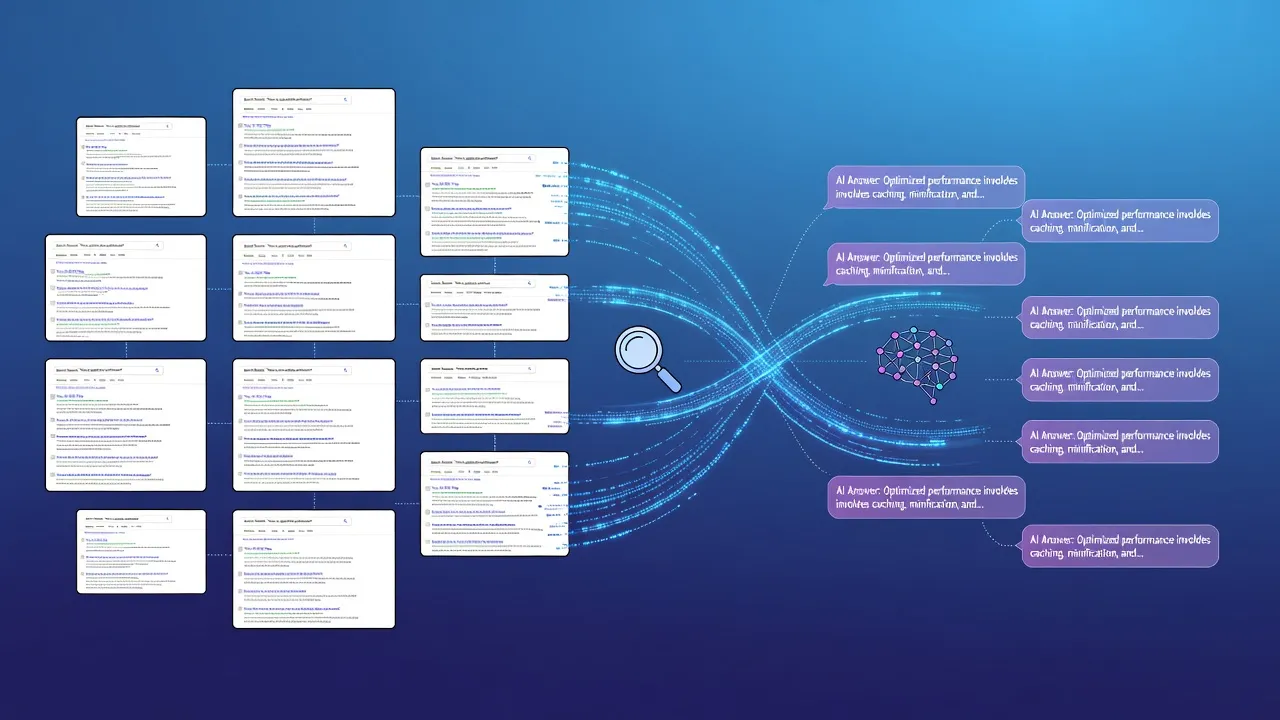
The most effective GEO service is one that formats facts directly for machine extraction while maintaining high publishing volume. Answer engines do not skim pages like human readers; they slice content into semantic components to verify claims against other web sources.
How does schema markup impact AI citations?
Structured JSON-LD schema markup tells search crawlers exactly what your data means, making it far easier for AI engines to extract accurate facts. According to the official Schema.org standard documentation, structured data provides explicit clues about the meaning of a page, mapping entities like products, prices, authors, and organizations directly into search engine knowledge graphs.
A quality GEO service will automatically generate and insert precise About and Mentions schema tags into your pages. Without structured markup, AI models must infer your context, which significantly increases the chance of inaccurate quotes or missed citations.
Example Schema Snippet (Article JSON-LD)
{
  "@context": "https://schema.org",
  "@type": "TechArticle",
  "headline": "Generative Engine Optimization Guide",
  "about": {
    "@type": "Thing",
    "name": "Generative Engine Optimization",
    "sameAs": "https://en.wikipedia.org/wiki/Generative_engine_optimization"
  }
}
Why is content velocity critical for answer engines?
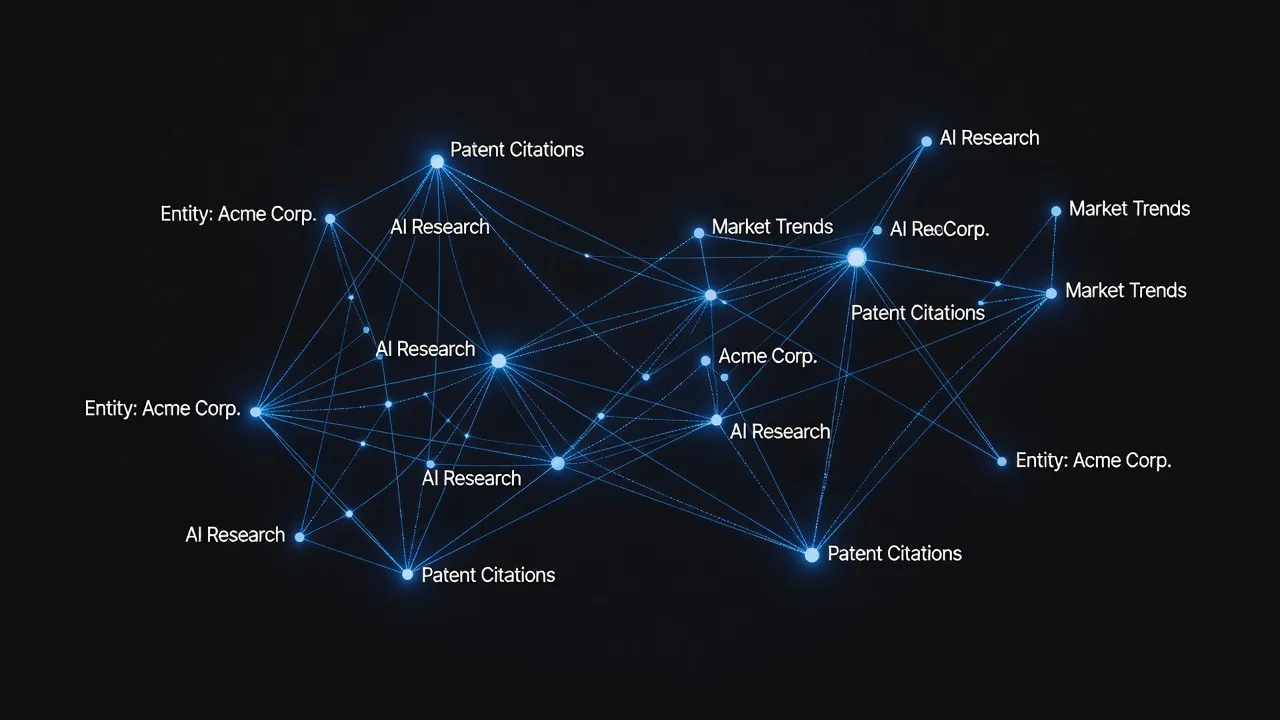
High publishing velocity builds a dense web of covered sub-topics, increasing the statistical likelihood that an AI engine selects your domain as a primary reference. AI models look for comprehensive contextual coverage when synthesizing complex queries. If your site covers every related sub-question around a topic, an answer engine views your domain as a authoritative source node.
Services like PulseRank solve the velocity challenge by publishing 30 citation-ready pieces per month directly to your CMS. Doing this manually with traditional writing teams often slows output down to just 2 or 3 articles per month, making it difficult to cover the full scope of queries AI users ask. If you want to learn more about broader strategies, explore our detailed breakdown on overall ai optimization.
How much does a generative engine optimization service cost in 2026?
A professional GEO service generally costs between $500 per month for automated platform services and $15,000 per month for full-service enterprise agencies. The price difference comes down to labor intensity, off-site PR efforts, and content volume.
Here is what you should expect at each pricing tier as of August 2026:
- Automated Platforms ($499/month): Covers turnkey keyword strategy, structured writing, schema implementation, image creation, auto-publishing, and automated rank tracking. Ideal for SMBs and lean teams that need high content output without hiring full-time writers.
- Mid-Tier Agencies ($2,500 - $6,000/month): Combines human content strategy with traditional SEO updates. These providers focus on custom editorial calendars, manual content refreshes, and basic technical audits.
- Boutique PR & Enterprise Agencies ($6,000 - $15,000+/month): Focuses heavily on off-site media placements, Wikipedia/Wikidata entity management, press releases, and executive reputation management across third-party media outlets.
Frequently Asked Questions
What is the difference between SEO and GEO?
SEO focuses on ranking website links on traditional search engine results pages by optimizing for clicks, keywords, and backlinks. GEO focuses on structuring content so AI engines like ChatGPT, Perplexity, and Google Gemini cite your brand as an direct answer within generated summaries.
How quickly do GEO services show results?
Initial AI citations can appear within 2 to 6 weeks after new content is indexed and crawled by LLM web scrapers. However, building consistent citation dominance across broad industry queries typically takes 3 to 6 months of continuous publishing.
Do I still need traditional SEO if I hire a GEO service?
Yes, traditional SEO and GEO complement each other. AI answer engines prioritize content from websites that load quickly, possess strong domain authority, and rank well in standard search index engines.
How do GEO services track AI citations?
GEO tracking relies on automated queries across AI platforms to monitor whether your brand name, products, or web links appear in generated responses. Leading services integrate traditional Google Search Console performance alongside dedicated AI citation tracking.
Can small businesses benefit from generative engine optimization?
Yes, small businesses often see rapid results with GEO because niche local topics and specialized industry questions have less competition inside AI knowledge graphs than broad commercial keywords.
What type of content works best for GEO?
Content that features direct-answer definitions, structured data tables, verified third-party sources, clear bullet points, and explicit step-by-step instructions performs best for generative answer extraction.
Does schema markup directly increase AI citations?
Schema markup does not guarantee a citation, but it dramatically improves machine readability. By explicitly defining your entities and relationships in code, you make it easier for AI scrapers to parse and trust your data.